CYST HYGROMA
I Made Nudi Arthana
Cyst hygroma is one of the lymphangiomas or congenital disorders of the lymphatic drainage system in the form of a tumor filled with water. This cyst is also called obstructive jugular lymphatic and cystic hygroma colli which forms in the head, neck, clavicle, And area axillary. Around 75 until 80% is cyst hygroma colli (CHC) which occurs in the head and neck, 20% in the axilla, and 5% in the mediastinum and inguinal region. 1 The most common predilection The most common location of this cyst is in the posterior trigonum colli above the clavicle. This case is most often found in newborns or can be found during ultrasound prenatal Because is a congenital malformation, and is generally benign, soft and painless. 2
LITERATURE REVIEW
Cyst hygroma is one of the lymphangiomas or congenital disorders of the lymphatic drainage system in the form of a tumor filled with water. This cyst is also called obstructive jugular lymphatic and cystic hygroma colli which forms in the head, neck, clavicle, And area axillary. Around 75 until 80% is cyst hygroma colli (CHC) which occurs in the head and neck, 20% in the axilla, and 5% in the mediastinum and inguinal region. 1 The most common predilection The most common location of this cyst is in the posterior trigonum colli above the clavicle. This case is most often found in newborns or can be found during ultrasound prenatal Because is a congenital malformation, and is generally benign, soft and painless. 2
The incidence of hygroma colli cysts reaches one case per 6,000 to 16,000 births in the world, and 1 : 750 of them were spontaneous abortions. Data from the FASTER trial (Evaluation Risk Trimester First And Second) show prevalence of cysts hygroma in a way overall around 1 : 100, whereas cyst hygroma septate found in 1 : 285 fetuses in the first trimester. 3 Hygroma colli cysts can be found moment born (50 until 65%) in the form of swelling Which No painful, and most (80 to 90%) will settle before the age of two years. This case can occur in both boys and girls with a mortality rate of 2 to 6% which is usually secondary to pneumonia, bronchiectasis, And disturbance road breath consequence cyst Which size big 1 . These cysts have the potential to obstruct the airway depending on their anatomical location. Emphasis Which happen on structure surrounding like nerve, vessels blood, vessels lymph, including also emphasis on channel breathing And This digestion requires immediate treatment. 4
Ultrasonography, CT-scan, and MRI are modalities that can help distinguish the type of mass in the neck. 2.5 While the main therapeutic modality in this case is surgery, namely surgical extirpation by removing the cyst lesion. Although excision or surgical extirpation of the tumor is the treatment of choice, several other therapeutic methods have been studied such as local injection of bleomycin fat emulsion which can be an alternative therapy. 2.3
Given the large number of important structures around the area where the hygroma cyst develops and its potential to become an emergency case, it is important to learn more details about the diagnosis of hygroma cysts so that the appropriate management can be carried out. fast And appropriate can done. Based on background behind said, the author is interested For discuss more carry on about cyst hygroma, including diagnosis and management.
Anatomy and Physiology
The neck is a part of the body that connects the head to the rest of the body, with the main components including the jugular vein, carotid artery, nerves, esophagus, vocal cords or larynx, cervical vertebrae, sternocleidomastoid muscle, and lymph vessels. The jugular vein consists of the internal and external jugular veins. The internal jugular vein functions to receive blood flow from the face, brain, and neck. While the external jugular vein functions to receive blood flow from the cranium and inner face. The carotid arteries distribute blood to the head and neck, where there are two major carotid arteries located on each side of the neck. The left carotid artery originates from the aortic arch branch, while the right carotid artery originates from the brachiocephalic trunk branch. Each artery carotid This branching become artery internal and external carotid. 6,7
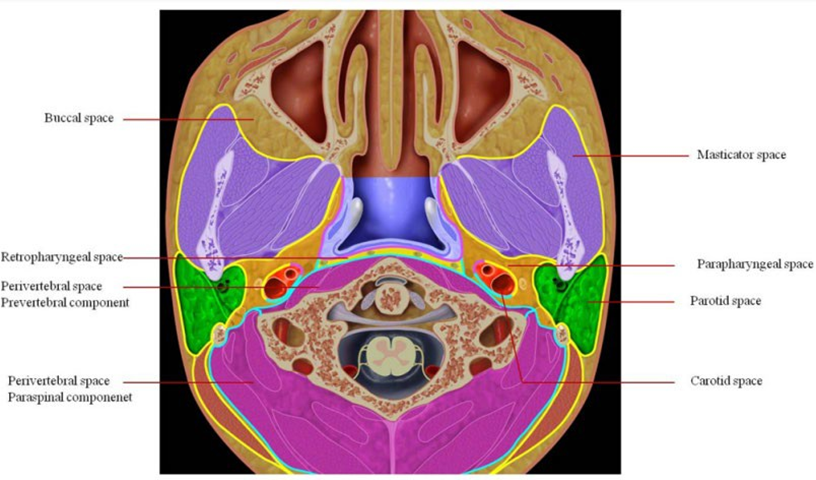
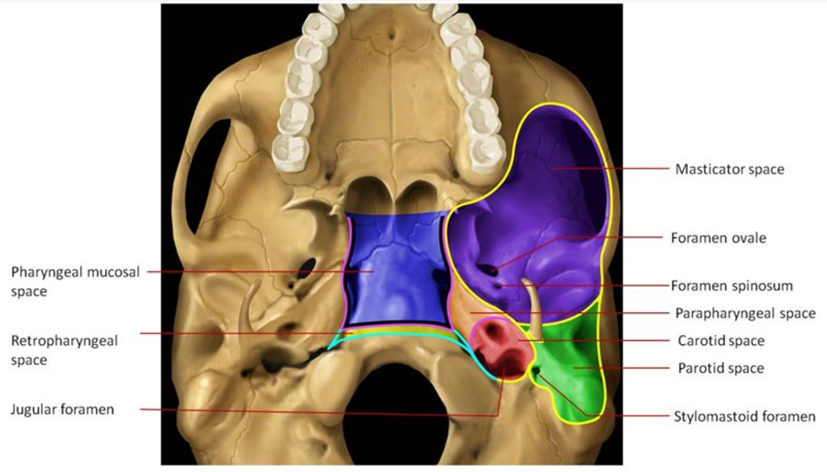
The nerves in the neck area are branches of the cranial and cervical nerves. The pharynx, larynx, trachea and part of the esophagus are called the visceral column. Meanwhile, the bones in the neck consist of seven cervical vertebrae which function to move the head, protect the spinal cord, and support the muscles and ligaments of the neck. The muscles of the neck are complex structures, which are divided into triangular components. The sternocleidomastoideus muscle which inserts on the mastoid process of the bone temporal And own origin in sternum share neck become two major triangle, that is region triangle posterior And anterior. Region triangle posterior has more muscle components than the anterior triangle. This area is bounded by the trapezius (posterior), sternocleidomastoid (anterior), and clavicle (inferior) muscles. Whereas area triangle front in restricted by mandible (superior), midline (medial), and sternocleidomastoideus (lateral). The anatomy of the neck in axial section is divided into five compartments, 6,7 namely:
The visceral space ( pharyngo-mucosal ), is the central space consisting of visceral organs such as the larynx, thyroid, hypopharynx, and cervical esophagus.
The carotid spaces are a pair of spaces lateral to the visceral space that contain the internal carotid arteries, internal jugular veins, and several nerve structures.
The retropharyngeal space is a small space that contains only fatty tissue. And relate with room suprahyoid And mediastinum medial.
The posterior cervical spaces are a pair of spaces located posterolateral to the carotid space and consist of fatty tissue, lymphoid nodes, and nerve elements.
The perivertebral space is a large space that surrounds the vertebral corpus including the pre- and paravertebral muscles.

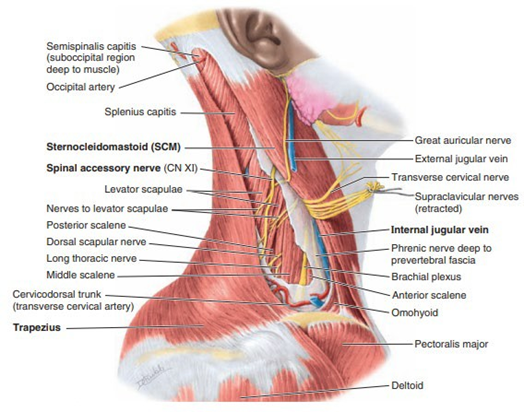
Picture 1. Anatomy neck 8


Picture 2. Region triangle on neck 8
Part big network superficial neck drained by vessels lymphatics that pass through the superficial cervical lymph nodes, located along the course of the external jugular vein. Lymph from these nodes drains into the deep inferior cervical lymph nodes. A specific group of these deep inferior cervical nodes descends across the lateral cervical area with the spinal accessory nerve or cranial nerve XI. Most of the lymph from six to eight nodes then drains into the supraclavicular lymph nodes, along the transverse cervical artery. The main group of deep cervical nodes forms a chain along the internal jugular vein, most of which is covered by the sternocleidomastoid. 8
Other deep cervical nodes include the prelaryngeal, pretracheal, paratracheal, and retropharyngeal nodes. Efferent lymphatic vessels from the deep cervical nodes join to form trunk lymphatic jugular, Which usually join with ductus thoracic in side left. In side right, vessels blood enter junction of the internal jugular and subclavian veins (right venous angle) directly or via the right lymphatic duct. 8
The thoracic duct passes through the superior thoracic aperture along the left border of the esophagus. It curves laterally at the base of the neck, behind the carotid sheath. And in front trunk sympathetic And vertebrae, as well as artery subclavian. This duct enter vein brachiocephalic left in intersection subclavian And vein internal jugular (corner vein left). Duct This flow lymph from all over body, except part right on (side right head And neck, legs right on, And part upper right thoracic duct) which drains through the right lymphatic duct. The left jugular, subclavian, and bronchomediastinal lymphatic trunks usually unite to form the thoracic duct, which enters the left venous angle. Often, these lymphatic trunks enter the system vein in a way independent in area corner vein right. 8
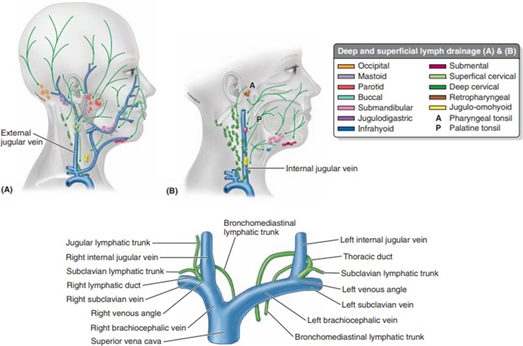
Picture 4. Drainage lymphatic on head And neck. 8
Cyst Hygroma
Definition
A hygroma cyst is a benign lymphatic malformation that results from a collection of lymph in a tissue that normally offers little resistance to expansion. 5 A hygroma is a fluid-filled sac resulting from obstruction of the lymphatic system resulting from a developmental defect in the lymphatic system. This cyst forms due to a defect in communication between the lymphatic and venous systems that causes a local accumulation of fluid in the posterior and posterolateral aspects of the neck, which can then develop become hydrops fetalis. 3 This cyst is also known as lymphangioma, jugular lymphatic obstructive, and cystic hygroma colli which can manifest in all regions of lymph flow, but generally in the cervico-facial area. (especially triangle cervical posterior), axillary, mediastinum, base thighs and under the tongue. Sometimes these malformations occur in the liver, spleen, kidneys, and intestines. Examples include omental cysts in the omentum and mesenteric cysts in the mesentery of the intestine. 3,4
Embryology
By the eighth week of pregnancy, six lymphatic sacs can be identified in the developing embryo. These lymphatic sacs include two jugular sacs, two iliac, One in base mesentery And One dorsal to aorta abdominal ( cisterna chyli ). Bag lymphatic jugular develop in area neck, while the iliac sacs develop in the lumbar region. Later, lymphatic tissue develops to communicate with lymphatics from various regions. During the ninth week of pregnancy (Figure 5), the iliac sacs it is invaded by connective tissue to form lymph nodes. 3
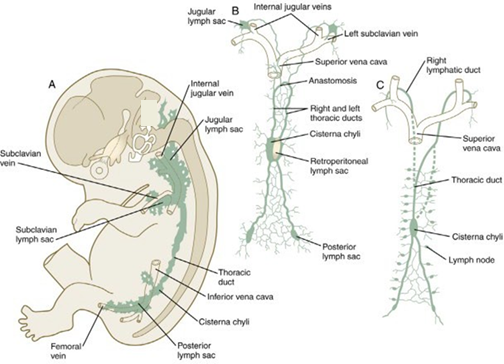
Picture 5. Stadium development channel major lymphatics . 3
There are a number of mechanisms that explain the pathophysiology of hygroma cysts, but embryologically these cysts are believed to originate from the sequestration of lymphatic tissue from the lymphatic sac, during the development of the lymphatico-venous sac . Which in sequestration This fail communicate with system lymphatic or vein other, so that happen dilation network lymphatic Which in sequestration, then resulting in the cystic morphology of these lesions. 3
Classification
The classification of hygroma cysts was first discovered by Mulliken and Glowacki. based on type cell, cyst hygroma classified become hemangioma or vascular malformation. 9 WHO criteria introduce three types of lymphangioma that is capillary, cavernous, And cyst. Giguere et al. submit Lymphangioma categories based on the size of the cyst component, namely macrocysts (size 2 cm or more), microcysts (size less than 2 cm), and mixed lesions. 10 The staging system for head and neck hygroma cysts by De Serres, as follows: 11,12
Stadium I, infrahyoid unilateral (with risk complications around 17%).
Stadium II, with risk of complications 41%.
Stadium III, unilateral or bilateral infrahyoid And suprahyoid (with a 67% risk of complications).
Stadium IV, suprahyoid bilateral (with risk complications around 80%).
Stage V, bilateral suprahyoid and infrahyoid (with a risk of complications of about 100%)
Epidemiology
Cystic hygromas are rare, accounting for 6% of all benign lesions in infancy and early childhood. However, they are the most common subtype of lymphangioma. appear. 50% from lesi This appear since born, And 50% the rest appear at the age of 2 year. Incident cyst hygroma collie reach One case per 6,000 until
16,000 birth in world, And 1 : 750 among them abortion spontaneous. Data from test try FASTER (Evaluation Risk Trimester First And Second) show prevalence of cysts hygroma in a way overall around 1 : 100, whereas cyst hygroma septate found in 1 : 285 fetuses in the first trimester 3 . Other findings suggest that up to 90% of cases of hygroma cysts are diagnosed in infants under 2 years of age, with most diagnosed between 3 and 5 years of age. Of all hygroma lesions cystic, 75 until 90% in cervical, 20% in axillary, And the rest is inguinal, retroperitoneal, and thoracic. 13 There is no epidemiological data in Indonesia that specifically discusses hygroma cysts.
Most hygroma cysts are found in children, and rarely in adults. Hygroma colli cysts can be found at birth (50 to 65%) in the form of swelling that No painful, And part big (80 until 90%) will settle before age two year. Case This can happen on child man and women with a mortality rate of 2 to 6% which is usually secondary to pneumonia, bronchiectasis, and airway obstruction due to large cysts. 1
Etiology And Factor Risk
The etiology of the occurrence of hygroma cysts embryologically has been explained previously as a result of cystic malformation of the lymphatic channels that have undergone dilation. Cysts are formed from the remains of embryonic lymphatic tissue that retains the ability to proliferate. The formation of this cyst is related with condition certain, like aneuploidy chromosome, hydrops fetalis, and intrauterine death. 3
Cyst hygroma collie can happen as findings single or found together with other defects with various causes involving environmental, genetic or other unknown factors. 3.5 The single finding of this cyst can be inherited as an autosomal recessive disorder with people his parents as silent carrier.14 Factor the environment that related with this case covering infection virus mother (for example Parvovirus), And mother substance abuse (alcohol consumption during pregnancy. While the genetic factor associated with hygroma cysts is Turner syndrome, which is an abnormality chromosome sex on woman (only There is One chromosome X). Most of the diagnosis prenatal case hygroma collie obtained simultaneously with Turner syndrome, followed with abnormality chromosome other like trisomy 13, 18, And 21. However, many hygroma cyst abnormalities are found with unknown causes. 14–16
Pathogenesis
Hygroma cysts are embryologically generally formed at the point of collection of lymphatic veins. Although this lymphatic malformation can be seen in any anatomical area especially in areas rich in lymphatics such as the head, neck, axilla and mediastinum, abdomen, and retroperitoneum. The most common finding is in the posterior triangle of the neck. These cystic lymphatic lesions can be classified as macrocytic, microcytic, or mixed. The cause of hygroma cysts is probably due to a defect in communication between the lymphatic vessels, lymphatic sacs jugular, And vein jugular. Matter This associated with expansion embryonic irregularity of the lymphatic tissue or from abnormal growth of the lymphatic endothelium between 6 and 9 weeks of gestation, resulting in a deficit in the lymphatic vessels. Failure of the jugular lymphatic sac to adhere and flow to vein jugular cause stasis fluid lymphatic And develop into One or Lots lesi containing fluid And formed structure cystic in various locations. Static lymph flow causes the cyst to enlarge and appear as a mass. on neck baby new born. Flow lymph This can across line middle body, expanding to axillary And mediastinum, so that cyst maybe found on this location. With the accumulation of lymphatic fluid in the tissue, and in some cases, causing hydrops fetalis. 3.5
The mechanism of respiratory obstruction in cases of cyst hygroma may occur due to several factors, such as infiltration. Some cases found expansion to the linguae frenulum and sub-myohyoid region, macroglossia, and the effects of bleeding that may arise from birth trauma that causes cyst expansion so that there is increased tension and pressure from the trachea. 3,5,17 .
Diagnosis
The location of the hygroma cyst in about 80% of cases is in the cervico-facial region so that this cyst should always be considered first in the initial differential diagnosis of cystic lesions with onset at birth in that location. 2 The diagnosis of a hygroma cyst can be made through anamnesis and physical examination, as well as supporting examinations if necessary.
Anamnesis
A thorough history and additional history from the baby's parents or caregivers is required, including eliciting a history of systemic and congenital diseases is essential to narrow the differential diagnosis. Patients generally come with complaint lump big in neck or other locations, spreading, and painless. Clinicians need to determine when the lump first appeared or was noticed, if the onset occurred at birth or before age two year, so condition This in accordance with cyst hygroma. This cyst can also be found in adults although rarely, so it is important to ask about underlying diseases that can predispose the patient to develop a cystic hygroma, such as underlying chromosomal abnormalities, as well as a history of trauma ( acquired cystic hygroma ). A thorough review of the symptoms should be performed to get rid of symptom infection, like fever, rigid, or feel general malaise. 5,18–21

Picture 6. Manifestation clinical cyst hygroma. 21
Symptoms depend on the anatomical location of the lump and its size. Small and medium-sized cysts are usually asymptomatic and rarely cause acute symptoms. However, at some point the cyst may experience rapid enlargement due to inflammation and cause symptoms. disturbance breathing. Patient Possible experience painful, voice hoarseness, dysphagia, or congested breath. Symptom This can appear If happen compression major structures in the neck, such as the larynx, trachea, esophagus, or large blood vessels. Patients may not complain of limited movement in the neck. However, if larger, the expansion occurs towards the face, tongue, parotid glands, larynx, or chest (15% extend to the mediastinum) and can be accompanied by other complications. So that swallowing and breathing disorders arise, while if the expansion to the axilla, brachial plexus compression can occur with various neurological symptoms. 5,18–21
Inspection physique
Physical examination can start from checking the signs vital and general status, then continued with local status examination depending on the patient's complaints. The most common predilection is found in the triangle posterior neck, although can happen in location anatomy where even. When palpated, this cyst has a smooth surface, soft consistency, fluctuates, move free or can A little attached on network basic, diffuse, well-defined, painless, and positive transillumination examination is seen bright as network diaphan (translucent) light). Cyst This It generally does not pulsate and increases in size when the patient coughs and/or cries. 14,19
Size cyst hygroma varies, start from diameter One until 30 cm. The skin over the cyst is often normal, and may be unilateral or bilateral. If cyst hygroma experiencing infection, possible symptoms and signs will The same like Which mentioned previously However The consistency will be very soft and there will be erythematous skin on top. 14,19
Inspection support
Basic supporting examinations such as routine blood tests tend to show no typical signs in cases of benign and non-infected hygroma cysts. If the patient has an abscess, routine blood tests may show an increase in the number of white blood cells with increased inflammatory markers. Various radiological modalities such as ultrasonography, CT-scan, or MRI are used to confirm the diagnosis. 14,19

Picture 7. USG cyst hygroma on fetus 22 weeks. 3
Ultrasonography is the least invasive of all and usually shows multicystic lesions with internal septations . In most cases the findings are single or multiple cysts and with USG Doppler No looks existence flow blood in lesi These cysts are usually identified in the first trimester and are characterized by existence room hypoechoic Which grow bigger, located in posterior or posterolaterally in the fetal neck with and without visible septa. Figure 7 shows the appearance of a hygroma cyst in a 22-week-old fetus with multiple septations and oligohydramnios. 3

Picture 8. CT scan cyst hygroma. 3
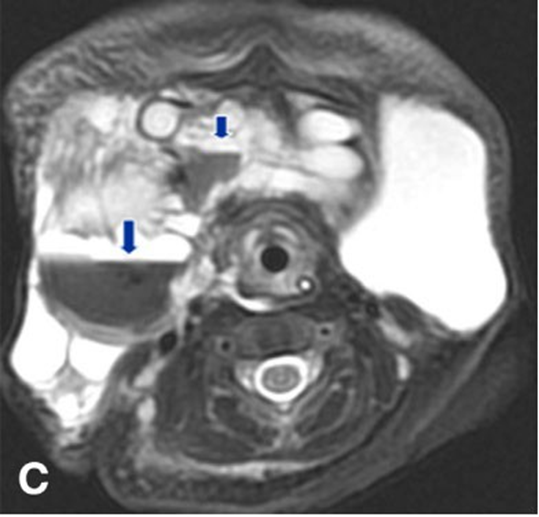
Picture 9. MRI cyst hygroma. 3
CT and MRI can help in depicting the lesion in more detail, and are preferred in cases with planned surgery because they help illustrate the involvement and proximity to important structures. close together. The image that appears on CT scans are generally in the form of cyst multiple, homogeneous, limit firm, And No There is invasion to surrounding tissue. CT scans also provide information like ultrasound and are more ideal for evaluation network the software close together with growth larger masses (ultrasound cannot visualize this finding). MRI can used For show connection between cyst with adjacent soft tissue at the site and assess the depth of infiltration of cyst to structure in surrounding area. Picture 8 A is CT coronal in an adolescent patient with a non-enhancing infiltrative cystic hygroma in the sublingual space (arrow). Figure 8B is a coronal CT of the neck showing cyst hygroma limited firm, multilocular, infiltrative low density, non-enhancing mass occupies the entire right neck extending into the right axilla (straight arrow), and also extending into the superior mediastinum (arrowhead). The airway is compromised to the left, and the endotracheal tube is (arrow curved) seen in there. Picture 9 is MRI fat-suppressed axial T2-weighted on neck show cyst hygroma infiltrative and multilocular. Fluid levels are visible (arrows) indicating bleeding in the cyst. 3
The supporting examination which is the gold standard for diagnosing a hygroma cyst is aspiration of the lump combined with radiological examination. Aspiration tends to produce serous , serosanguinous , or straw-colored fluid . Histopathologically, a hygroma cyst consists of several thin-walled cysts lined by endothelial cells with a supporting connective tissue stroma and filled with fluid. chylous . There is four type, that is form capillary, cavernous, cystic, and venolymphatic, which are believed to be manifestations of the same disease process. Fourth form This can seen on lesi single on histopathological examination. 19 Figure 10 shows a hygroma cyst with lymphovascular channels. with size varies Which coated by endothelium the flat one And A little muscle plain Which located in in network fibroadipose. Mononuclear cells can be seen in the lumen of some ducts. In addition to the above tests, a karyotype may sometimes be performed if there is any doubt about a chromosomal abnormality.
Picture 10. Histopathology cyst hygroma 5
Based on the findings on radiological examination, a hygroma cyst can be diagnosed. appeal with encephalocele occipital And meningocele Which is a defect in the calvaria and the absence of a gyral pattern (encephalocele) is a clue to the differential diagnosis. Hemangioma is another differential diagnosis that is usually irregular in shape, low-level echoes , and Doppler shows vascularity can confirm the diagnosis. Teratoma is also usually a differential diagnosis, which is usually located anteriorly, with fetal neck hyperextension and a solid or mixed solid mass. Goiter as a bilobed mass in the anterior region, and other less common anomalies that can be included in the differential diagnosis of cyst hygroma are metastasis, sarcoma, melanoma, cyst gap brachial, cyst duct thyroglossus, laryngocele, fibroma, and lipoma. 3.5
Hygroma colli cyst can also be differentially diagnosed with branchial cleft cyst. to two, with appearance most frequent is cyst And can combination with sinus or fistula. The cystic mass to the right of the carotid space is seen between the submandibular gland and in the anterior line of the sternocleidomastoid muscle, which is a typical location for a second branchial cleft cyst. The next differential diagnosis is a thyroglossal duct cyst which is the most common case in children aged 2 to 10 years. About 90% are found at the level of the hyoid bone, about 8% are found as high as gland thyroid, And around 2% found as high as tongue. The thyroglossal duct runs from the base of the tongue at the foramen cecum to the thyroid gland. The embryonic thyroid gland travels through the duct to reach its normal final position. The thyroglossal duct then undergoes involution, but when the duct settled, cyst duct thyroglossal can occur Where just in along the duct. Thyroglossal cysts can be located in the midline or paramedian. As many as 65% are located infrahyoid , 15-20% are located suprahyoid . 3.5
TREATMENT
If it is known that the patient has a prenatal diagnosis of cyst hygroma, it is recommended that the delivery be carried out at a health service center that has complete facilities and has specialist obstetricians and gynecologists available. anticipation complications neonatal. A obstetrics usually decide method give birth to Which in accordance. If hygroma big, must prepared cesarean section and treated together with neonatologist , otolaryngologist , pediatric surgeon and anesthesiologist .
After born, neonate with cyst hygroma that persistent must ensured whether there is airway obstruction or not so that the role of neonatologist in this observation is highly recommended. If cyst resolution does not occur after birth, it can be consulted to a pediatric surgeon. Meanwhile, for definitive therapy, cases of hygroma cysts are divided into surgical and non-surgical therapy, as follows: 3.5
Surgery
In utero therapy : treatment while still in the womb has been reported, although its efficacy is uncertain. A palliative option is to drain the pleural fluid, which may reduce the risk of pulmonary hypoplasia. Options include thoracentesis , thoraco-amniotic shunting , And pleurodesis . Results perinatal Which Good has reported after this intervention, although the procedure was performed for severe bilateral pleural effusion cases with a good prognosis.
Postnatal surgical excision or extirpation: Postnatal resection is the treatment of choice for cystic hygroma and isolated lymphatic lesions. The procedure is tailored to the anatomical location, size and complications of the cyst. In general, the procedure is performed under general anesthesia. general through One resection or resection gradually. Marking of the incision location is done first, then an incision is made to facilitate surgery on the hygroma cyst, then cutting or total removal of the mass is carried out, then cleaning of the tumor bed is carried out as in Figure 11, then... closing wound And installation drain like Picture 13. Although the lesions are usually resectable, they may also compromise the airway or other vital structures. Complications of surgical resection may include infection, recurrence, wound seroma, and nerve damage in 30% of cases.
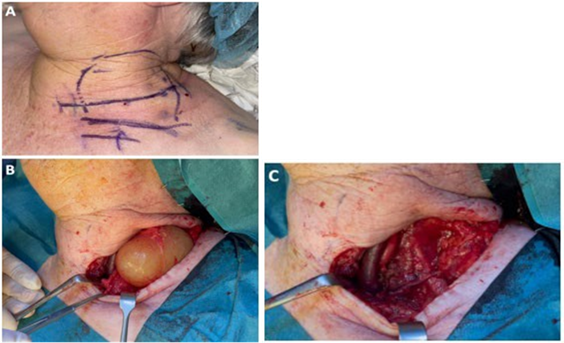
Picture 11. Surgery cyst with incision cervical transversal. 18


Picture 12. Surgery cyst hygroma with making flap Which big. 22
Picture 13. Surgery cyst with incision cervical transversal ellipse. 18
Non surgery
In utero therapy : treatment while still in the womb has been reported, although its efficacy is uncertain. This is still experimental and should be reserved for cases with normal karyotype and poor prognosis. Intrauterine sclerotherapy has been used For treatment formation lymphatic macrocytic intrathoracic which big. Candidate Which enter reason including Which No have chromosomal abnormalities, structural anomalies, or severe hydrops. If diagnosed before birth, good preparation for delivery can be done with an ex utero intrapartum (EXIT) procedure , Where maintain circulation maternal-fetal until a patent airway is formed to avoid hypoxemia in the baby. 27 There are several reports on intrauterine hygroma cyst therapy in cases without chromosomal or structural abnormalities using sclerosing agents , 5 and one of them has been reported successfully in 2003 by Sasaki and Chiba. 26
OK-432 or Bleomycin Injection: OK-432 (Chugai Pharmaceutical, Tokyo) is a biological response modifier with antitumor effects that has been used in utero and postnatally for the management of cysts. hygroma. Has set that injection OK-432 intralesional is a therapy that safe and effective for this case. Complete regression occurs in 40% to 50% of cases. Meanwhile, bleomycin is a DNA biosynthesis inhibitor and has a local sclerosing effect on endothelial cells. 3.5
Laser: Laser therapy is only effective for superficial microcystic lesions. Options laser Which available in the form of laser CO2, laser Nd:YAG, pulsed dye laser , and diode laser. 25
microarray analysis , basic investigations of lymphatic circulation have led to the identification of key molecular processes that drive normal vascular and lymphatic development and differentiation. In turn, genetic and molecular abnormalities of several primary lymphatic disorders Which can inherited including VEGFR-3 For disease Milroy, FOXC2 for lymphedema-distichiasis syndrome, SOX18 for lymphedematous hypertrichosis, and a number of aneuploidies and chromosomal abnormalities associated with the development of lymphatic malformations and hydrops have been identified. Theoretically, identification of these genetic associations and possible discovery of epigenetic modifications may hold the key to future studies in gene therapy. 3,5
However, the modality of choice for hygroma colli cyst is extirpation. surgery with appointment cyst in a way complete, even though thus There have been several case reports documenting good results with the use of sclerosant agents . Hygroma colli cysts are benign lesions and can still asymptomatic in period Which Enough long. Indication treatment is if happen infection on lesions, respiratory distress , dysphagia, bleeding in the cyst, sudden increase in size, formation of sinuses, or cosmetic indications. Respiratory distress is treated by performing a tracheostomy if it occurs. compression larynx or trachea by mass cyst. Regression spontaneous lesi This rarely happening, although There is a number of patient Which show the occurrence regression partial spontaneous, so that management surgery still can considered. If If the cyst develops into an abscess, pharmacological therapy is required in the form of antibiotics, antipyretics, And analgesic, with or without Handling surgery Next. Surgery if necessary, is generally postponed until the next three months after administration of antibiotics. 3,5,18
Complications
Although the cyst hygroma colli is a benign lesion, several complications can occur such as infection of the cyst lesion which is usually secondary to the focus of infection in the respiratory tract, although it can be a primary infection. During the infection process, our size can increase and feel warm, hyperemic, and painful. Infection can involve the entire cyst or part of it. During active infection, transillumination can no longer be seen and sometimes becomes an abscess 23 . The second complication that can occur is bleeding, where in this condition the cyst become hard And tense Then happen bleeding Because the rupture large cysts. Further complications can include respiratory disorders due to complete or incomplete airway obstruction, dysphagia, and obstructive sleep apnea due to pressure from the cyst mass on the respiratory and digestive tracts. 3,5,18
Prognosis
Prognosis patient with cyst hygroma will very depends on anatomical location and whether or not the patient has secondary complications. These cysts, if left without any intervention, tend to continue to enlarge and cause further complications. Hygroma cysts diagnosed prenatally generally have a worse prognosis than those diagnosed after born. Temporary That, cyst hygroma that septate more at risk experience aneuploidy and worse prognosis, such as hydrops fetalis compared to cysts without septa. Hydrops fetalis is more common in septate hygroma cysts (60%) compared to with cyst hygroma No septate (19%). Besides That, level of survival life more tall on cyst without septum (27%) compared to with septate cysts (2%). 3.5
Surgical excision or extirpation generally has good results with complete resolution provided the mass is completely excised; however, the recurrence rate of surgical excision can be as high as 53% in some cases. This may be improved through the use of adjuncts, such as sclerosing agents. 3,5,18
DISCUSSION
Hygroma cyst is a benign lymphatic malformation that is the result of a collection of lymph in the tissue in the form of a fluid-filled sac resulting from obstruction of the lymphatic system due to a defect in the development of the lymphatic system. This lymphatic malformation can form in the lymphatic sacs that form in the first trimester of pregnancy. This cyst is formed due to a defect in communication between system lymphatic And the vein that cause accumulation fluid local. In the posterior and posterolateral aspects of the neck can develop into hydrops fetalis. 7,9,10,35
WHO criteria introduce three types of lymphangioma, namely capillary, cavernous, And cyst. Giguere et a. submit category lymphangioma based on the size of the cyst components, namely macrocysts (size 2 cm or more), microcysts (size less than 2 cm), and mixed lesions. 23 This classification has been established by International Society for the Study of Vascular Anomalies (ISSVA) on 2018, Which grouping malformation lymphatic as malformation vascular and not tumor vascular, as following: (1) malformation lymphatic macrocystic, with more from 50% cyst diameter more from 1 cm; (2) malformation lymphatic mixed, with <50% of cysts greater than 1 cm in diameter; and (3) microcystic lymphatic malformation , with all cysts <1 cm. 24 Cyst hygroma, which is a macrocystic lymphatic malformation, often occurs in the neck area, while microcystic lesions of lymphatic malformation develop most frequently in the oral cavity and cheeks. 22
Whereas With Serres share stadium cyst hygroma head neck, as follows: Stage I, unilateral infrahyoid (with a risk of complications of about 17%); Stage II, with risk complications 41% ; Stadium III, unilateral or bilateral infrahyoid and suprahyoid (with a risk of complications of 67%); Stage IV, bilateral suprahyoid (with a risk of complications of about 80%); Stage V, bilateral suprahyoid and infrahyoid (with a risk of complications of about 100%). 14,20,21,39
Prevalence cyst hygroma 6% from all lesi benign on time baby And children age early Where 50% from lesi This appear since born, And 50% the rest appear at the age of 2 year. Incident cyst hygroma collie reach One case per 6,000 until
16,000 births in the world, and 1 : 750 of them were spontaneous abortions. 3 According to Paolo et al. , until 90% case cyst hygroma diagnosed on baby in lower age 2 years, with 75 to 90% in the cervix, 20% in the axilla, and the rest are inguinal, retroperitoneal, and thoracic. 13 There is no epidemiological data in Indonesia that specifically discusses hygroma cysts. Most hygroma cysts are found in children, And seldom on person mature. According to Pilkowski et al. , 50 until 65% of cases found moment born, with part big case (80 until 90%) settled before the age of two.
There is no difference between male and female gender, with a mortality rate of 2 to 6% which is usually secondary to pneumonia, bronchiectasis, and airway obstruction due to large cysts. 1 Complaints from this lesion depend on the location and relationship to surrounding structures, although adults most commonly present as a painless lump. When large in size can cause respiratory problems And swallow. Size cyst can grow bigger at any time consequence presence of infection and trauma. 12
The size of the hygroma cyst varies, ranging from one to 30 cm in diameter. The skin over the cyst is often normal, and it can occur unilaterally or bilaterally. If cyst hygroma experience infection, possibility symptom And sign will same as Which mentioned previously However its consistency will very gentle and there is erythematous skin on top. Positive transillumination examination appears bright as diaphanous tissue (translucent). 13,14,19
The first-line supporting examination of choice is USG, especially to differentiate between cystic masses and solid tumors. CT scan is used to depict relevant anatomical structures, but if available MRI is preferred because it provides better differentiation of soft tissue with anatomical structures. 18 The supporting examination which is the gold standard for diagnosing cyst hygroma is lump aspiration combined with radiological examination. 19
Surgical management is the primary treatment option for cervical hygroma cysts. on mature. No like cyst hygroma on baby And children, lesi The adult type is well-defined and well-circumscribed, making complete surgical excision more likely. 12,25
Therapy using intralesional sclerosing agents such as ethanol, quinine, doxycycline, bleomycin, and OK-432 has been tried with satisfactory results in infants and children, 12,25 with bleomycin and OK-432 being the most effective therapeutic agents for lymphatic malformations. 25 However, concerns about side effects have been raised by Buckmiller et al. where bleomycin increases the risk of pulmonary fibrosis, OK-432 can cause sepsis, shock, and myalgia, and doxycycline causes nerve damage. 25 A cohort study of 116 children by Bouwman et al. found that sclerotherapy with one or more doses was successful in cases with macrocystic or microcystic cysts alone, while a mixture was less successful. 28 If unsuccessful and surgery is required, scarring and fibrosis make surgical resection more difficult. There have been no randomized controlled trials comparing surgery with sclerotherapy, however, in a retrospective study on children, surgery proven more effective. 18 When diagnosed before birth, can be well prepared for childbirth with procedures ex utero intrapartum (EXIT) procedure with maintain maternal-fetal circulation until a patent airway is formed to avoid hypoxemia in the baby. 27 There are several reports on intrauterine hygroma cyst therapy in cases without chromosomal or structural abnormalities using sclerosing agents , 5 and one of them has been reported successfully in 2003 by Sasaki and Chiba.26
Surgical excision or extirpation generally has good results with complete resolution provided the mass is completely excised; however, the recurrence rate of surgical excision can be as high as 53% in some cases. This may be improved through the use of adjuncts, such as sclerosing agents. 3,5,18
CONCLUSION
A hygroma cyst is a benign lymphatic malformation that is the result of a collection of lymph in the tissue in the form of a fluid-filled sac resulting from obstruction of the lymphatic system. consequence from defect development system lymphatic. Cyst This can found on end trimester First until beginning trimester second pregnancy through USG, and can also be found after birth until before the age of 2 years. Rarely found on group mature. On mature generally arise as painless lump.
The first line of supporting examination options is USG. The supporting examination which is the gold standard for diagnosing hygroma cysts is lump aspiration combined with radiological examination.
Although the hygroma colli cyst is a benign lesion, several complications can occur such as infection of the cyst lesion which is usually secondary to the focus of infection in the respiratory tract, bleeding due to rupture of the large cyst, respiratory distress due to complete or incomplete airway obstruction, dysphagia, and obstructive sleep apnea due to pressure by the cyst mass on the respiratory and digestive tracts. Surgical excision or extirpation generally has good results with complete resolution as long as the mass is completely removed.
REFERENCE
Piłkowski M, Komorski J, Nienartowicz J, Nelke K. Cervical Cystic Hygroma in an Older Adult – a case study. Pol Przegląd Otorynolaryngologiczny .2021;10(2):54-58. doi:10.5604/01.3001.0014.5925
Jackson DL. Evaluation and Management of Pediatric Neck Masses: An Otolaryngology Perspective. Physician Assist Clin . 2018;3(1):245- 269.
Burgess A, Silver R. Lymphedema and lymphatic malformations. In: Obstetric Imaging: Fetal Diagnosis and Care . 2nd ed. Elsevier Inc.; 2018:515-519. doi:10.1016/B978-0-323-44548-1.00121-2
Utomo MT, Harahap A, Etika R. Massive cystic hygroma of the neck with respiratory distress in newborn. J Pediatr Surg Case Reports . 2021;71(101945):1-4. doi:10.1016/j.epsc.2021.101945
Bennasar M, Arigita M, Salazar L, Puerto B. Cystic hygroma. In: Obstetric Imaging: Fetal Diagnosis and Care . 2nd ed. Elsevier Inc.; 2018:331-333. doi:10.1016/B978-0-323-44548-1.00070-X
O'Daniel TG. Understanding Deep Neck Anatomy and Its Clinical Relevance. Clin Plast Surg . 2018;45(4):447-454. doi:10.1016/j.cps.2018.06.011
Roesch ZK, Earlier P. Anatomy, Head and Neck, Neck. In: ; 2023.
Moore K. Moore's Essential Clinical Anatomy . 5th ed. Wolters Kluwer Health; 2020.
Lion KF. Genetics of vascular malformations: Current perspectives. Semin Pediatr Surg . 2020;22(1):1-11. doi:10.1053/j.sempedsurg.2014.06.014
Lestari W, Hajar S. A rare case of microcystic and macrocytic lymphangioma in a 12-year-old girl. Bali Med J. 2021;10(2):843-846. doi:10.15562/BMJ.V10I2.2422
Laza CO. Congenital Goiter Associated with Cystic Hygroma Rare Cause of Stridor in New-Born - Case Report. Glob J Otolaryngol . 2019;19(3):64-73. doi:10.19080/gjo.2019.19.556015
Varshney A, Gangavatiker R. Recurrent cystic hygroma in adult: A case
report. Indian J Case Reports . 2021;7(6):241- 243. doi:10.32677/ijcr.2021.v07.i06.007
Paolo C, Immacolata DP, Pierpaolo DL, et al. Giant cystic hygroma of the neck in a 3-year-old child: Clinical case and literature review. Arch Clinic Trials . 2021;1(2):1-4. doi:10.33425/2768-4598.1007
Bashir V, Main T.G. Case Report: Hygroma Collie. Andalas Obstet Gynecol
J . 2021;5(2):262- 268.
Mastromoro G, Guadagnolo D, Khaleghi Hashemian N, et al. A Pain in the Neck: Lessons Learn from Genetics Testing in Fetus Detected with Nuchal Fluid Collections, Increased Nuchal Translucency versus Cystic Hygroma— Systematic Review of the Literature, Meta-Analysis and Case Series. Diagnostics . 2023;13(1):1-32. doi:10.3390/diagnostics13010048
Aymelek H, Oǧur G, Tosun M, et al. Genetic burden and outcome of cystic hygromas detected antenatally: Results of 93 pregnancies from a single center in the Northern Region of Turkey. J Med Ultrasound . 2019;27(4):181-
186. doi:10.4103/JMU.JMU_114_18
Adhi MP, The Poerwo Susanta H. Difficult Airway Management in Pediatric with a Large Cystic Hygroma Colli Undergoing One-Stage Excision Surgery. J Anaesth Pain . 2021;2(3):93-96. doi:10.21776/ub.jap.2021.002.03.01
Mclnerney NJ, O'Keeffe N, Nah A, Morariu J, Timon C. Cystic hygroma in adults: a single-centre experience and review of the literature. Ir J Med Sci . Published online 2023:1-5. doi:10.1007/s11845-022-03271-9
Nasr B, Al Tamimi A, Issa M, et al. Cystic Hygroma of the Neck in Adult Patients. J Surg Res . 2021;4(4):778-783. doi:10.26502/jsr.10020190
El Sayed M, Touny M, Abraham N, Cash I, Al-Azzawi Z. A rare case of cystic hygroma in neck and extending into thoracic cavity. Int J Surg Case Rep . 2020;76:174-177. doi:10.1016/j.ijscr.2020.09.090
AL-Zamzami A A. Cervical cystic hygroma in infant among Yemenis, a case
report. J Dent Reports . 2022;3(1):1-8. doi:10.1155/2014/209427
Hassan MA, Gatea HK, Ja'afar TK. Surgical excision: an effective initial therapeutic option in the management of giant macrocystic lymphatic malformations in children. Ann Pediatr Surg . 2020;16(1):1-6. doi:10.1186/s43159-019-0013-9
Linnau s ME, Newspaper DM. Infected cystic hygroma result in septic shock and respiratory failure: A case report. J Pediatr Surg Case Reports . 2016;9(1):19-22. doi:10.1016/j.epsc.2016.04.005
Scuglia M, Comfort A, Valfrè L, Totonelli G, Iacuso C, Iacobelli BD, et al. Operative Management of Neonatal Lymphatic Malformations: Lessons Learned From 57 Consecutive Cases. Front Pediatr. 2021 Aug 8;9:709223.
Dokania, V., Rajguru, A., Kaur, H., Agarwal, K., Kanetkar, S., Thakur, P., Patel, F., & Shukla, D. (2017). Sudden Onset, Rapidly Expansile, Cervical Cystic Hygroma in an Adult: A Rare Case with Unusual Presentation and Extensive Review of the Literature. Case Reports in Otolaryngology , 2017 (1061958), 1–7. https://doi.org/10.1155/2017/1061958
Sasaki Y, Chiba Y. Successful intrauterine treatment of cystic hygroma collie
using OK-432.A case report. Fetal Diagn Ther. 2003;18(6):391–6.
Shukla DC, Laitman BM, Londino AV. “Airway management in a neonatal
cystic hygroma.” Otolaryngol Case Rep. 2020 June 1;15:100157.
Bouwman FCM, Kooijman SS, Verhoeven BH, Schultze Kool LJ, van der Vleuten CJM, Botden SMBI, et al. Lymphatic malformations in children: treatment outcomes of sclerotherapy in a large cohort. Eur J Pediatr. 2021;180(3):959–66.
Comments