Chemotherapy Regimen in ENT
I Made Nudi Arthana
Chemotherapy regimen in ENT field is Chemotherapy is a cancer treatment by administering certain drugs (cytostatics/anti-cancer drugs). cancer) which aims to to inhibit growth cell cancer or kill cancer cells (1). These drugs are cytotoxic and have different mechanisms in causing cell death. (1). This chemotherapy refers to agents cytotoxic which own mechanism of action which can cause cell death, inhibiting growth cells, inhibiting microtubule function, function protein or DNA synthesis (2).
LITERATURE REVIEW
PRINCIPLE BASE MECHANISM WORK CHEMOTHERAPY
UNDERSTANDING ABOUT CYCLE CELL
To understand the mechanism of chemotherapy, an understanding of the cell cycle is essential. Cell division will produce 3 different cell subpopulations. Namely 1. Cell Which differentiated terminal ( No There is experience regeneration more carry on),
2. Cells that will undergo continuous proliferation, 3. Population of cells that enter resting phase but can be recruited to re-enter the cycle cells. (Stem cells). These three cell populations are found continuously in tumor tissue (3).
The cell cycle consists of 2 main cycles, the S and M phases. Between these two phases, there is a phase gap (Gap) G1 and G2. G0 is the interval between Phase S and G1. At this stage the cells undergo their normal functions. Cells that are programmed to undergo division will enter G1 phase (Gap 1). In this phase, the cells will experience preparations needed to duplicate DNA. After ready, cell then will enter to Phase S. On phase this is it a number of DNA experience replication and the amount of DNA produce tetraploid (4N). After that it enters the G2 Phase (Gap 2) or resting phase, in where cell will get ready to experience mitosis. On phase division or Mitosis ( Phase M) chromosome will experience condensation And separated moment happen division DNA cells produce 2 new daughter cells (4,5).

Picture 2.1 Cell Cycle
drugs work to kill cancer cells through various mechanisms. Generally divided into 2 main groups, namely cell-cycle-phase-nonspecific drugs and cell-cycle phase specific drugs. This division is related to the phase at which the drug is active in damaging cells (3).
In general, cell-cycle phase specific drugs work on the S cycle and M cycle, generally in cells that grow rapidly. While chemotherapy with cell-cycle-phase-nonspecific drugs generally Work cause damage cell in stage or process who need DNA, No only moment happen division cell just. So that This drug will also have an effect or work on cells that grow slowly, including normal cells (3,4).
Cell-cycle-phase-nonspecific chemotherapy agents have a linear dose-response curve , meaning that the higher the dose used, the greater the fraction of cell damage caused. Also more and more big. Different with type , cell cycle phase specific drugs , which actually has plateau curve. Increase the dose of the drug does not provide the effect of tumor cell destruction is increasingly severe (3).
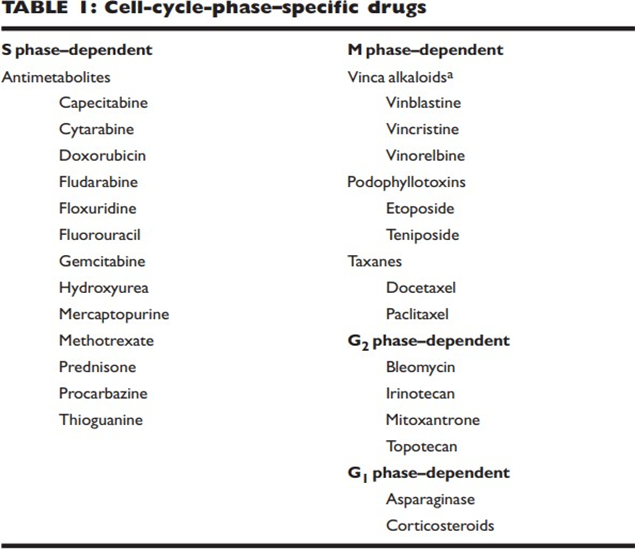
Fig 2.2 Type drug chemotherapy Which specific cell cycle
The growth rate of cancer cells itself is a combination of the proportion of cell division ( the growth fraction ), the duration of the cell cycle ( doubling time ) and the level of cell damage ( rate of cell loss ). Variations in these three factors are responsible for the variation in the growth of each cancer cell (3). Generally, tumor growth shows a sigmoid-shaped Gompertzian growth curve model . Here it is stated that The doubling time of cancer cells varies with the size of the tumor, where growth is very fast when the size/volume of the tumor is still small. As it gets bigger, the growth rate will slow down due to the increasing complexity of the processes required. such as damaged cells, oxygen and blood supply.
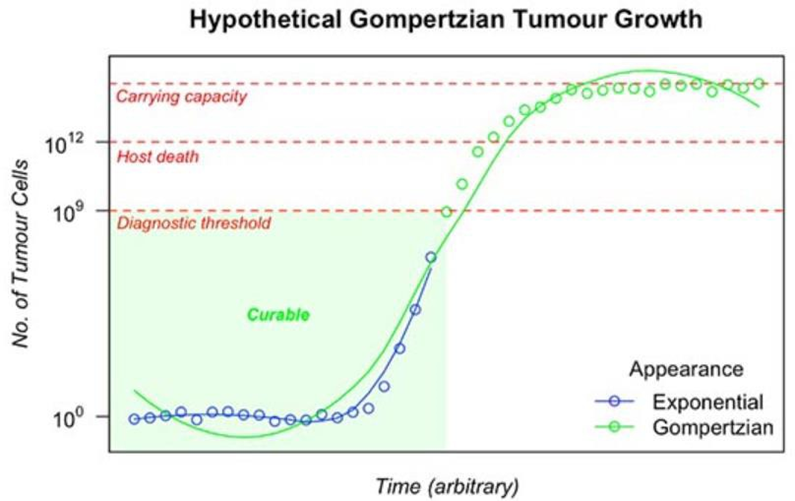
Figure 2.3 Curve Sigmoid Growth Gompertzian
This theory explains that in early growth, when there is rapid growth in the size of the tumor, it will respond very well to chemotherapy. So that the reduction or level of decrease in the size of the tumor is very prominent at this stage (5).
This is the basis for the reason that chemotherapy treatment cannot be given as therapy. single. Generally chemotherapy No given as therapy single, Good from type aspect drug Which used, and also as therapy single without modality therapy Which Another. Combination chemotherapy must achieve 3 main goals, which cannot be achieved with 1 chemotherapy agent, namely providing the ability to destroy cancer cells maximally. in dose range toxicity that is still tolerable by patients, providing
broader coverage against heterogeneous and resistant tumor cell populations, And prevent or slow down growth group cell new Which resistant to chemotherapy drugs (5).
The following are some principles used in combining chemotherapy agents.
Drug Which known active as agent single must combined especially with drugs that can induce complete remission.
Drugs with different mechanisms, combined to provide additional or synergistic effects on tumors.
Drug with toxic dose range the narrow one must be given with drugs that have a wider toxic dose range.
Medications should be given in optimal doses and on schedule, given at consistent intervals.
Interval between drug administration must be narrowed down to the lowest level possible achieved for provides healing effects for normal cells.
Combination between drug chemotherapy with pattern resistance Which different (5).
Chemotherapy drugs can be given on various stage treatment cancer, based on goals and drug response (1.5):
Chemotherapy Neoadjuvan
Is administration of chemotherapy prior to surgery and radiation. The goal is to shrink sensitive tumors so they can be more easily treated with radiation or surgery, achieving organ preservation.
ChemotherapyAdjuvan
Chemotherapy is given post-surgery/radiotherapy, with the aim of destroying micrometastases, increasing cancer-free survival,
Chemotherapy Concurrent/Concomitant
Chemotherapy is given along with radiation, lower doses of chemotherapy, as a radiosensitizer.
Chemotherapy Palliative
Chemotherapy given For control symptom or extend hope life of patients who are in the terminal or advanced stages. Generally given as a single therapy.
Chemotherapy Induction :
Chemotherapy Which given For induce remission complete since when given a curative regimen. Usually given for hematologic malignancies.
TYPE CHEMOTHERAPY
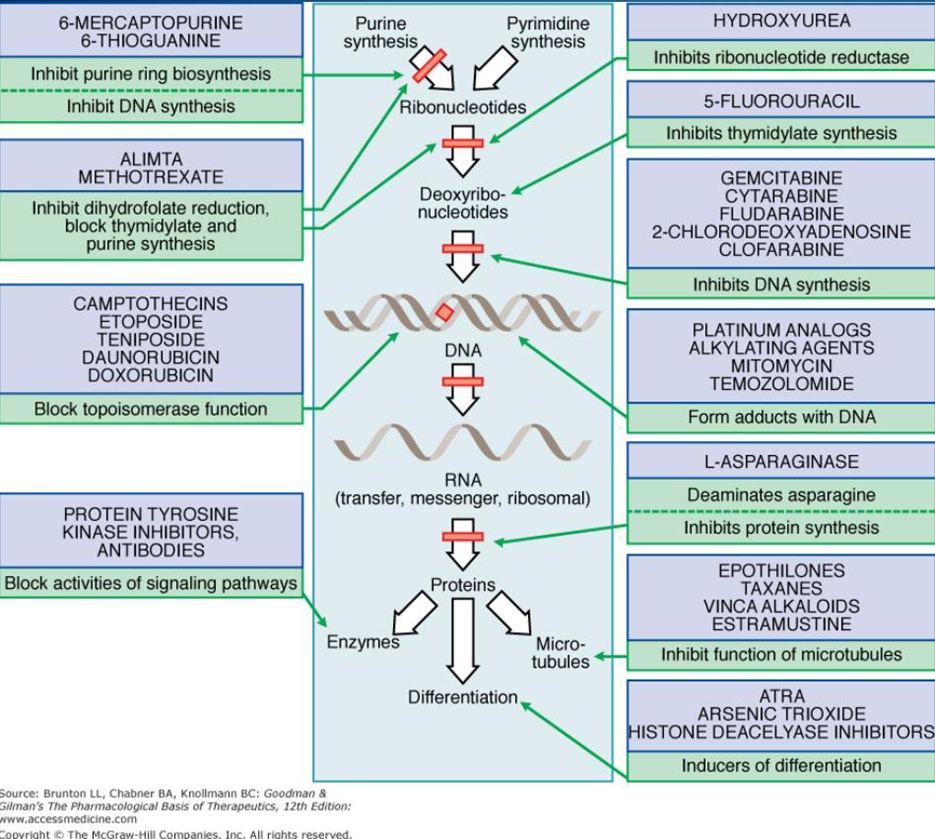
Picture 2.4 Location Work Each Agent Chemotherapy
There is 5 type chemotherapy Which general used moment This:
Alkylator
This type of chemotherapy has an active alkylator group and under physiological conditions can form an electrophilic group from positive carbon ions. Cytotoxic effects of alkylator substances especially through formation of cross-links directly with N7 radical language guanine or N3 adenine from molecule DNA And protein, matter This
causing cell structure damage and cell death (7). The activity of the alkylating agent itself depends on the cell proliferation process, but is not cell-cycle-specific . Tumor resistance to this drug is generally associated with glutathione conjugation or increased DNA repair ability. on tumor cells (3).
Mostar Nitrogen/ Nitrogen Mostards
Mostar nitrogen is chemotherapy the first one found in a way as it happens and was used to treat leukemia in 1946.
A number of for example between other cyclophosphamide , chlorambucil, estramustine, ifosfamide, melphalan, mechloretamine, busulfan thiotepa . Cyclophosphamide (CTX) is a derivative of inactive nitrogen mustard, but has cytotoxicity after being processed by the cytochrome P-450 system in liver microsomes. Chemotherapy that is classified as nitrogen mustard is known to cause edema in tissues that provide effects vary from tissue necrosis local to pulmonary fibrosis and also has a strong depressive effect on the hematopoietic system (3).
Nitrosourea
This group is known for its fat-soluble properties and can penetrate the blood-brain barrier. fast And maintain the dosage effective in system nerve center so it is commonly used for the therapy of malignant brain tumors ( Carmustine, lomustine, streptozocin (3,7).
Group Metal
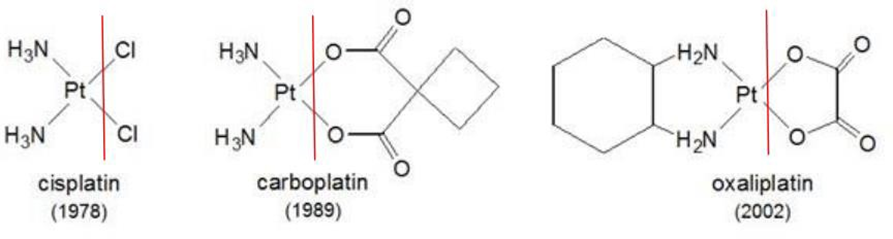
Which most famous is Complex Platinum ( cisplatin, carboplatin, oxaliplatin) Work with method bound cross with chain double DNA And give alkylator effect. Group this medicine famous with its nephrotoxic effects, however The current 3rd generation has minimal effects on kidney function (7), and is different from its predecessor, Oxaliplatin. It has a di-amino-cyclohexane ring on its platinum molecule that can intervene in the resistance mechanism in tumor cells. It is commonly used to treat malignancies in the digestive tract. Platinum Complex general used in therapy tumor solid like in field ENT-KL, bladder and testicular cancer.
Nonclassic alkylators
Examples of this class of drugs are altretamine, dacarbazine, procarbazine, temozolomide) have a mechanism of forming an active methyl group that has an alkylating effect on DNA. Temozolomide can even cross the blood-brain barrier and is used for anaplastic astrocytoma therapy (3,7).
Antimetabolite
In general structural, class of drugs This resemble metabolites that involved in DNA synthesis or RNA. Effect its cytotoxicity on cell tumor is with compete with normal metabolites used in the catalysis or regulation process enzyme work site involved in the formation of DNA or RNA. So that antimetabolites will be very active in the S phase and very minimal in the G0 phase. So this drug is very functioning when given on cell tumor Which own faction growth the fast one. However, the antimetabolite effect is nonlinear dose-response , which means that after administering a certain dose there is no increase in the effect of destroying tumor cells even if the dose is increased (3).
Generally, antimetabolite drugs are given in large doses at the beginning. to provide a destructive effect on cancer cells, and then the dose will be reduced. This is the basic mechanism of antimetabolite administration. such as methotrexate.
Folate analogs
An example is methotrexate. This drug inhibits the enzyme dihydrofolate reductase, so that tetrahydrofolate production is inhibited, which leads to impaired DNA synthesis. Usually after methotrexate is given a recue dose of leucovorin to make the cells large amounts of tumor become damaged.
Pyrimidine analogues
Group this medicine among others is capecitabine, depocyte, floxuridine, flurouracil,. Flurouracil is Wrong One analog pyrimidine Which No follow mechanism The basis of antimetabolite action. It was found that 5FU in high doses is more stable and its cytotoxic effect increases due to modulation biochemistry of the complex formed between 5FU (FdUMP,) and thymidylate synthase and methylene-tetrahydro- folic acid (5,10-CH2-FH4) (7).
Purine analogs
It has a structure similar to Guanine and works as a false metabolite. Examples include (fludarabine, mercaptopurine thioguanine),
Adenosine analogs
Inhibits the work of the adenosine deaminase enzyme, thereby inhibiting DNA synthesis and repair. Examples include (cladribine, pentostatin)
Cytidine Analogs
The mechanism of action is to inhibit DNA replication by joining DNA and inhibiting the work of DNA methyltransferase or DNA polymerase enzymes. Examples include gemcitabine, cytarabine, azacitidine, decitabine.
Substituted urea / hydroxyurea
Wrong One example Which famous There is paclitaxel And docetaxel. Drug This Work by inhibiting change US. Cytidylate becomes deoxycytidylate which will selectively inhibit synthesis DNA. This medicine selective Work on Phase S. ( 2). This class of drugs is also often used in treating late-stage head and neck cancer, where Docetaxel more potent compared to with paclitaxel. However side effects on group This Also No Can underestimated in giving term Long, such as neutropenia, arrhythmia, neuropathy (8).
Antibiotics Antitumor
This class of chemotherapy generally works by inhibiting the synthesis of DNA and RNA in tumor cells.
Some examples of antibiotics that fall into this category are Actinomycin D, bleomycin, daunimycin. Initially it was an antibiotic but in its development it was found to have a damaging effect on cancer cells due to the mechanism. his work. So it started used as chemotherapy drugs. Antibiotic classification antitumor generally overlapping with inhibitor topoisomerase. Some drugs in this class also have side effects. as topoisomerase inhibitors (8).
Inhibitors Protein Microtubules / Agent Antimicrotubular : Topoisomerase II Inhibitors
The working mechanism of this group inhibits the work of the topoisomerase II enzyme which results in inhibition in DNA and RNA synthesis. Examples are daunorubicin, doxorubicin, etoposide and teniposide.
Inhibitors Topoisomerase I
This class of drugs works by forming a ternary complex with DNA that will prevent leaky DNA re-ligation and trigger cell death. One example is irinotecan and topotecan. Irinotecan is known for doe-limiting diarrhea , while topotecan is known for dose-limiting neutropenia (2).
Taxane
Disturbance on condition equilibrium polymerization And depolymerization from microtubules in cancer cells so that they are formed abnormal cell function and disrupts cell replication which leads to apoptosis is the mechanism of action of this group. Drugs in this group are specific to the Mitosis Phase. Examples are Docetaxel, cabazitaxel.
Vinca Alkaloid
M phase specific. This drug binds to tubulin and inhibits the formation of microtubulin thereby causing cell proliferation stops in metaphase. One example is Vincristine, vinblastine, vindesine.
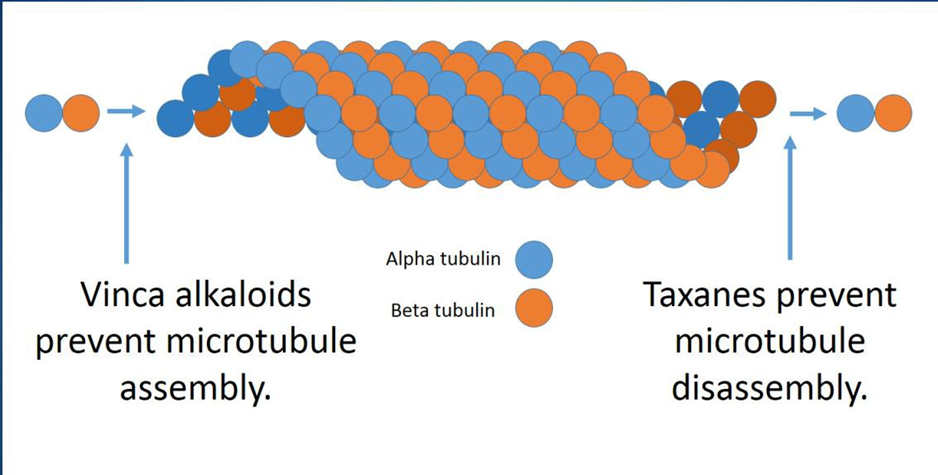
Fig. 2.6 Structure Vinka Alkaloid
Goal. Hormone
Estrogen, progesterone, testosterone are some examples of hormones that bind to intracellular receptors and have the potential to stimulate growth of certain tumors, such as Ca Mammae, Ca Prostat. Anti-hormones can be used as inhibitors competitive like antiestrogen (tamoxifen, toremifene ) or antiandrogen (flutamite). A substance similar to LH-RH, through stimulation of production FSH and LH through negative feedback eventually cause ovarian failure, the effect is similar to nonoperative ovarian castration, clinically it can be used for the therapy of breast carcinoma and prostate carcinoma (7).
THERAPY TARGETING
Cancer in field ENT-KL is type cancer most no.6 in world. It is estimated more than 870,000 cases new And 440,000 death in year 2020. Until moment This Still No There is strategy screening Which effective For detect cancer in field ENT-KL, And generally patient new diagnosed on stadium Which Already Continue. Complex And so heterogeneous cancer in field ENT-KL, making its treatment a challenge in itself. The action requires an aggressive multimodal approach including surgery followed by radiotherapy alone or in combination. with chemotherapy ( chemoradiotherapy or chemoradiation) For cancer oral cavity and primary chemoradiation for cancer in the pharyngeal and laryngeal areas (11,12). Cancer in the field of ENT-KL caused by HPV generally shows results more clinical Good compared to with Which No related to HPV. Matter this even causes change on guide staging cancer in field ENT-KL edition 8th, which includes the p16INK4A staining category to indicate HPV status. (15).
The discovery of new drugs such as Pembrolizumab and nivolumab as drugs Which can used For therapy on cancer Which No can operated on or recurrent or metastatic cancer, but the prognosis is still not as expected (13,14). Lack of improvement amount survival cancer And part big patient Cancer in the field of ENT-KL still experiences recurrence or distant metastasis, indicating that further strategies are still needed to increase the success of therapy in cancer patients (14).
The many side effects of traditional chemotherapy and increasing cases of radioresistant, caused Targeted Therapy to start developing a lot. This therapy is based on important findings, that in certain cancer cells have expressions or produce certain proteins or enzymes that regulate the life and development of these cells. Therapy Targeting focuses on these findings, which are the active substances on therapy targeting will block the signal that makes the cell cancer develops or actually causes signals to initiate apoptosis.(17).
The existence of findings expression from Epidermal gross factor receptor ( EGFR,HER1, ErbB1) in Human Squamous Cell Lung Cancer in 1984 became the beginning of targeting therapy. This finding allowed researchers to understand the existence of receptor tyrosine kinases (RTKs), which when activated will cause There is proliferation and metastasis of cancer cells and causes angiogenesis (18). This is the basis of the mechanism of targeting therapy.
Recent studies (18) describe several signaling pathways that regulate cancer cell proliferation in the field of ENT-KL. A total of 8 signaling pathways are related to the growth of normal cells into cancer cells and are the basis of the mechanism of action of targeting therapy. However, the most widely studied is the EGFR pathway.
EGFR pathway
This pathway is named after the cell surface receptor. EGFR itself is a transmembrane glycoprotein. Mutations or amplifications in the gene encoding this receptor are rare, but this receptor is found in large numbers. excessive on surface cells cancer in field ENT-KL, And associated with prognosis Which bad. A number of example therapy targeting Which Work in track This These include Cetuximab and Nimotuzumab.
Cetuximab :
This medicine is antibodies monoclonal Recombinant IgG1 chimeric human / mice, which will bind to EGFR, and will competitively inhibit EGF binding. The formation of a complex between cetuximab and EGFR will stop the signaling pathway for differentiation, proliferation, migration and angiogenesis in cancer cells through the tyrosine kinase pathway (25).
However Because basically is antibodies monoclonal chimeric humans/rats, This drug still often causes allergic reactions especially on the skin, compared to the next generation of EGFR monoclonal antibody drugs (26). This is related to the findings bond monovalent between cetuximab And EGFR on cell cancer And Also on skin cells (28).
Nimotuzumab :
Almost the same as cetuximab, nimotuzumab are also IgG1 monoclonal antibodies that bind with EGFR. However nimotuzumab in theory own fewer side effects compared to Cetuximab. This is related to its type which is a monoclonal antibody developed from humans (not a combination with chimeric antibodies like cetuximab). In addition, nimotuzumab requires a bivalent bond for more stable attachment to the surface cell, so that produce bond Which more selective to cells which have overexpression of EGFR as shown by SCC cells(27).
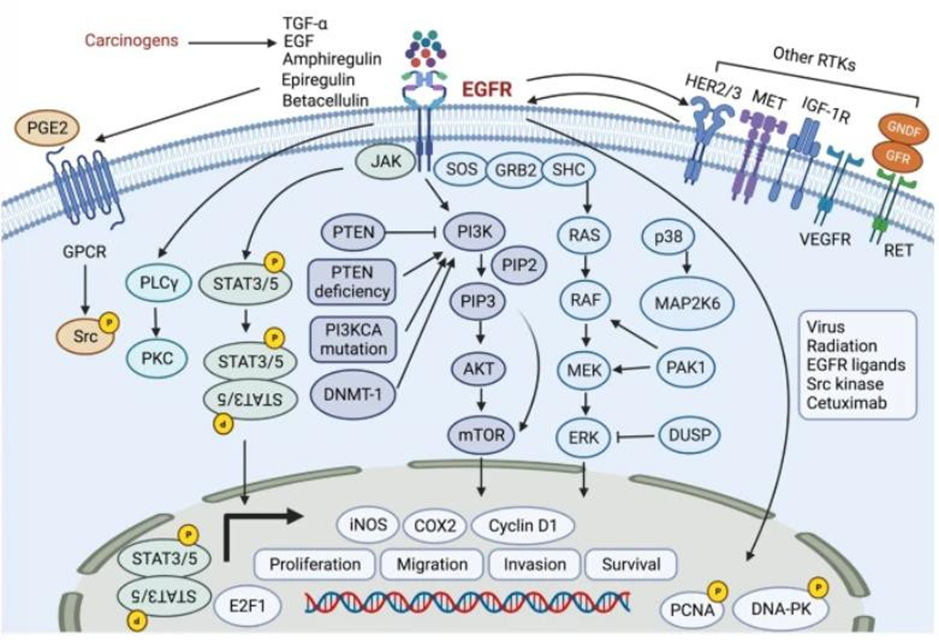
Fig. 2.7 Track EFGR
PI3K/AKT/mTOR pathway
HPV-positive cancer patients show mutations in the PI3KCA gene. Mutations on gene This make track PI3K become active And activation track This found in 90% of cancer cases in the field of ENT-KL.
MAPK Path
Found as much as 18% patient cancer in field ENT-KL own mutation on BRAF, HRAS, KRAS and ERK genes that regulate this pathway. The effects caused are improvement proliferation cell, differentiation, angiogenesis, metastasis And resistance to therapy.
JAK/STAT Line
The ability of cancer cells to evade host immunity, resistance to therapy and poor prognosis are some of the effects caused by activation of this pathway.
HGF/MET pathway
Mechanism on this path show existence overexpression from receptor HGF, namely the c-MET ligand in the tumor microenvironment, and plays an important role in the formation of cell tumor malignant And resistance to therapy inhibitor EGFR on cancer cases ENT-KL. Track This important For proliferation cell, angiogenesis, characteristic invasive and metastatic ability in cancer cells.
Track p53
TP53 is a tumor suppressor gene and is the most frequently altered gene. mutation on cells cancer in field ENT-KL, And associated with tumor progression, recurrence and resistance to therapy. HPV-positive cancers generally show degradation of p53, while cancers associated with smoking are more likely to show TP53 mutations.
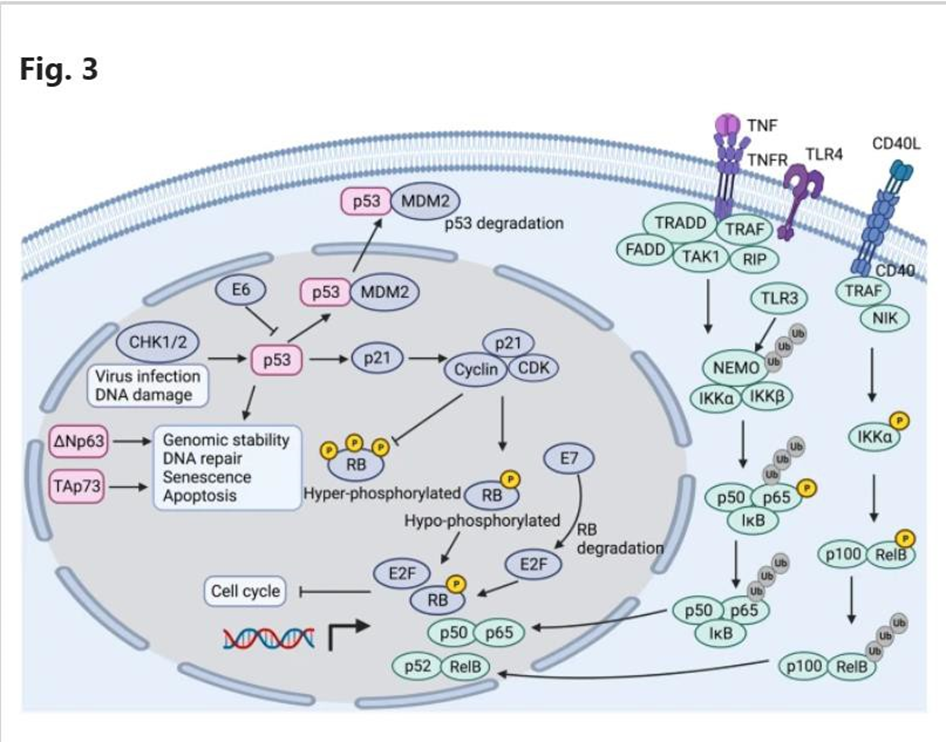
Fig. 2.8 Track p53
Track NF- kB
NF-kB is a family of transcription factors which is responsible for the immune response adaptive and also obtained and formation tumor. Carcinogen major like cigarette smoke, alcohol, unhealthy diet, radiation and oncogenic viruses can activate NF-kB. EBV infection is also known to activate NF-kB, which leads to the ability to maintain stem cell character in cancer cells and metabolic reprogramming ability in NPC.
Track Wnt/B-catenin and Notch
On track This promote proliferation cell tumor, maintain phenotype cell to maintain the ability to regenerate like stem cells and increase the invasive ability of cancer cells in the field of ENT-KL. This pathway is named after with Name ligand on surface cell tumor which triggers a series cancer cell regulation process.

Figure 2.9 Track Wnt/β-catenin And Notch
Track VEGF
Vascular endothelial growth factors, is factor angiogenesis And expressed in excessive amounts in cells cancer in general. This pathway is important for the formation of neovascularization cell cancer. Matter This result in proliferation cell tumor, migration ability, metastasis, but on the other hand tumor cells will become more sensitive to radiotherapy and chemotherapy (19.)
Moment This There is 2 type therapy targeting Which most general. Namely antibodies monoclonal And
small molecule inhibitors.
Antibody Monoclonal
Have specific protein targets such as receptors on the surface of cancer cells or in the environment around cell tumor. Generally have size molecule the big one And can not enter to in cell. Drugs type This can prevent proliferation tumor by inhibiting molecules who gives signal For proliferation or signal which has an angiogenesis effect. Monoclonal antibodies can also be conjugated with substances such as standard chemotherapy or radionuclides to enhance their therapeutic effects, an example is brentuximab vedotin. Generally, drugs with this mechanism have the suffix - mab ( transtuzumab, pertuzumab, cetuximab) (20.) Generally formulated in the form of injections
Cetuximab is the only one type therapy targeting Which target track EFGR which is approved by the FDA. Since it was studied in 2001, it has given good results in terms of improving efficacy against radiotherapy, and regression of cancer cells.
Small molecule drugs
Having a lighter molecular weight, so it can pass through the cell surface and has a target area inside the cell. The series of processes that arise are also in the form of slowing down proliferation cell And death cell. Type drug Which including in group These include bortezomib, osimertinib and vemurafenib, bevacizumab. Generally have the ending - mib (for protease inhibitors) or - nib (for kinase inhibitors). Most drugs in this class formulated in tablet or capsule form. However, there are several types such as Transtuzumab which are given subcutaneously to shorten the duration of therapy.
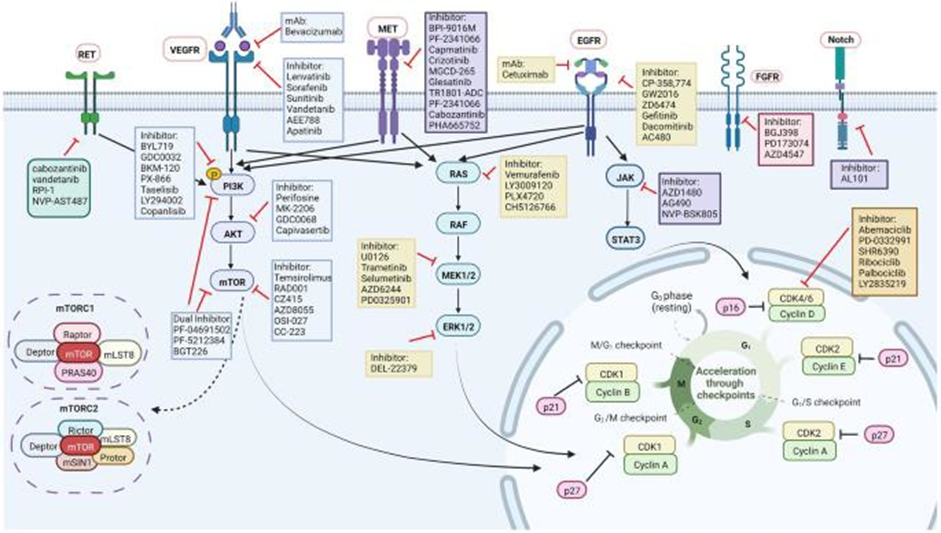
IMMUNOTHERAPY
Adoptive Cell Therapy
The basic principles of this therapy is cell capabilities T to eliminate cells cancer and there are findings that cell transfer T in sufficient amounts, can induce anti-tumor immunity. This therapy uses tumor-infiltrating lymphocytes derived from T cells or T cells that have been genetically modified to express receptors that recognize tumors.
There is 3 types namely :
Tumor-infiltrating lymphocyte therapy ( cell Which No modified)
ACT isolates TILs from cancer cells, then incubates them. Then it is given back to patients who have undergone the lymphocyte depletion process. This will increase the body's immune response to cancer cells.
Engineered T-cell receptor therapy ( cell modified )
On technique This cell T modified so that own receptor antigen specific on cancer cells so that T cells can recognize tumor cell antigens more quickly.
Chimeric antigen receptor T-cell therapy ( modified cells)
T cells modified by viruses so as to express chimeric antigen receptor on its surface. Receptor This own ability For tie antigen at a time act as ligand Which can give intracellular signals in cancer cells.

Fig. 2.11 Modification Cell T with CAR
Immune Checkpoint Inhibitors
Immune checkpoint is a normal component of the immune system. However, in patients cancer, component This expressed in amount excessive, thus preventing the ability Work cell T. Inhibitors Immune Check point functioning for hinder the work of the components. The target of this drug is CTLA4, PD1 (programmed cell death receptor 1) and programmed cell death ligand 1.
Drugs that are often used include anti-CTLA-4 antibodies, namely Ipilimumab and anti PD-1 (Nivolumab and pembrolizumab).

Fig. 2.12 Mechanism Work Immune Checkpoint Inhibitors
Targeted Monoclonal Antibodies
This medicine is passive form of immunity, where monoclonal antibodies will be bound to antigen specific on surface cell cancer. MoAbs Can conjugated with therapeutic drugs other or even stand Alone. Wrong One example Which most often used is Cetuximab ( mouse human chimeric IgG1Ab) And Panitumumab ( human IgG2Ab) (20).
Oncolytic Virus Therapy
This working mechanism is based on the ability of the virus to infect And kill tumor cells. On therapy This, cell tumor will infected by virus Which has undergo gene modification. Cells infected tumor will die due to the cytopathic effect from virus. The death of tumor cells due to this viral infection is expected to induce inflammatory conditions that can trigger immunity to tumor cells. These modified viruses are called Oncolytic viruses . The first oncolytic virus approved by the FDA was Talimogene laher-parapvec (t-VEC) which is used for melanoma therapy. T-VEC is virus herpes simplex that modified And succeed show satisfactory effect in cases of advanced melanoma (20).
Cancer Vaccine
Classified become 2 type, namely Vaccine Prophylaxis And Vaccine Therapy.
Vaccine Prophylaxis
Functions as prevention at the primary and secondary levels, which is expected to reduce incident, morbidity And mortality cancer. Vaccine prophylaxis designed to give warning on the system immune in order to recognize antigen tumors and attack the virus before cause infection. This type of vaccine given in healthy individuals. The FDA has approved 2 types of prophylactic vaccines, namely for hepatitis B (causes hepatocellular carcinoma), and for HPV (causes cervical cancer).
Vaccine Therapy
This vaccine is given to cancer patients and is designed to eradicate cancer cells by strengthening the patient's own immune system response. Grouped based on vaccine content, such as cell vaccines (tumor cells or immune cells), protein/peptide vaccines, vaccine gene ( RNA/DNA). Wrong One for example is Bacillus Calmette- Guerin (BCG) is used for bladder cancer patients in early stage and Sipuleucel-T for asymptomatic metastatic prostate cancer (20).
Cytokines
It is a messenger molecule that allows immune cells to communicate with each other. Which other For to form immunity Which coordinated And strong. 2 type FDA-approved cytokines are Inferon α (IFNα) and Interleukin-2
Inferon α
It has a direct deterrent effect on tumor cells by inducing apoptosis and promoting response immune to cell tumor with stimulate maturation Cell Dendritic and increased T cell cytotoxicity.
Interleukin- 2
Approved by FDA For therapy melanoma with metastasis. This cytokine increase level cell NK And TIL on lesi cancer. Giving IL-2 via perilymphatic on cancer patients in the field of ENT-KL show there was an increase in survival rate, and there was an increase in T-cells that were more reactive to cancer cells in patients who received MoAb therapy after surgery.
REGIMEN TREATMENT CANCER IN FIELD ENT- KL
Patients with cancer in the field of ENT-KL caused by environmental carcinogens generally have a worse prognosis than patients with cancer caused by HPV infection. So the strategies used in treating both are different (21).
The goal of therapy for cancer patients in the field of ENT-KL with HPV-negative is more directed on intensification therapy temporary For patient with HPV -Positive, with or minimal exposure to cigarettes, the goal of therapy is more towards reducing the intensity of therapy, while still using rational doses to reduce toxicity but still maintain the level of healing.
Following is a number of regimen chemotherapy, therapy targeting And immunotherapy which is used in cancer treatment in the field of ENT-KL.
Table 2.1 . Regimen Chemotherapy
Regimen | Mechanism | Toxicity key | Indication |
Cisplatin |
|
|
|
|
|
|
|
Cetuximab |
|
|
|
5- Fluorouracil |
|
|
|
| inhibits thymidine synthetase, thereby inhibiting normal RNA synthesis. |
|
|
Docetaxel |
|
|
|
Nivolumab |
| Autoimmune toxicity:
|
|
Pembrolizumab |
| Autoimmune toxicity:
|
|
| fully IgG4 against PD-1
|
|
|
Ifosfamide |
|
|
|
Gemcitabine |
|
|
|
| DNA polymerase |
|
|
Nimotuzumab |
|
|
|
Paclitacel |
|
|
|
ELECTION REGIMEN DRUG ANTI CANCER IN FIELD ENT- KL
NCCN ( National Comprehensive Cancer Network) 2024 issued guidelines election therapy For case cancer in Field ENT-KL. NCCN divide it into 3 categories:
Cancer Gland Saliva
Neoplasms in the salivary glands are relatively rare, accounting for only 3-6% of all tumors in the head. And neck. Part big appear from parotid And generally benign. Only around 25% are malignant tumors. The most common is mucoepidermoid carcinoma. Until now, the main therapy for most salivary gland cancers is surgery and radiotherapy (1).
Guide Which issued by NCCN show chemotherapy as Systemic therapy is given in recurrent, unresectable , or metastatic cases. The regimen used is a combination therapy from the drug group. platinum complex (cisplatin or carboplatin) and anti-metabolites (gemcitabine or paclitaxel). (27).

Fig 2.5.1 Systematic Therapy for Salivary Glands Tumor
Cancer Nasopharyngeal
This cancer is a cancer that is very sensitive to radiotherapy. So that the management definitive For this cancer is therapy radiation especially For KNF associated with Epstein-Barr virus infection. Surgery is performed in certain patients with persistent or recurrent cancer (1).
Meanwhile, chemotherapy is starting to be used as induction therapy for NPC with a high risk of tall ( mass tumor Which big), therapy concurrent on stadium III with high risk, For therapy KNF Which relapse, metastasis wide (27). Combination Which generally used from the platinum group (cisplatin or carboplatin) and the antimetabolite group (docetaxel, capecitabine, 5-FU)
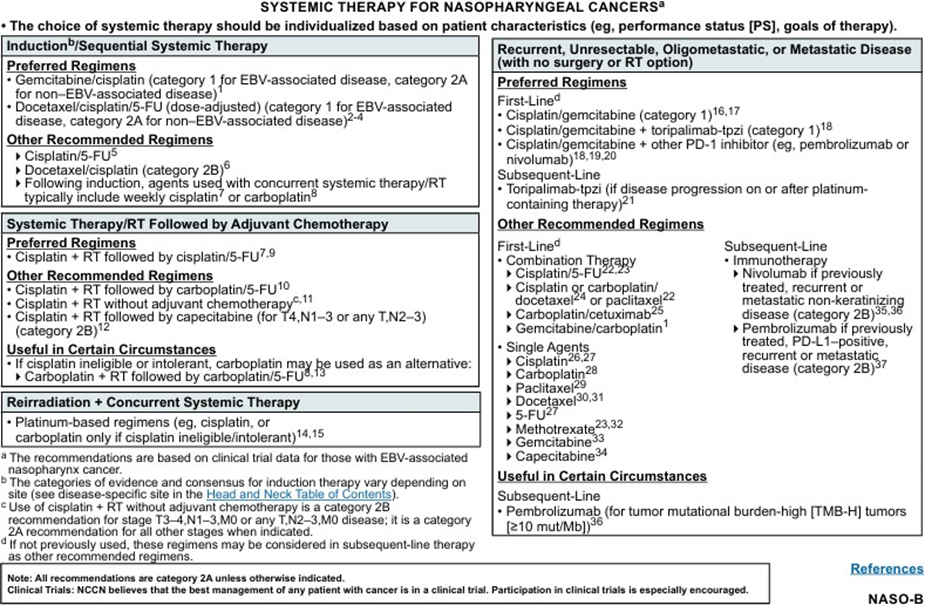
Fig. 2.5.2 Systematic Therapy for Nasopharyngeal Cancer
Cancer Non-Nasopharyngeal :
NCCN includes cancer of the oral cavity, oropharynx, hypopharynx, glottic larynx, subglottic larynx, ethmoid sinus, maxillary sinus and unknown primary tumors are grouped together.
In this group of cancers, chemotherapy usually combined with radiotherapy (Concurrent chemotherapy), or as adjuvant therapy in advanced stages. Combination chemotherapy Which used on group This use variation Which more many such as platinum group (carboplatin and cisplatin), anti metabolite (docetaxel), Targeting therapy (cetuximab), monoclonal antibodies (nivolumab) (27).
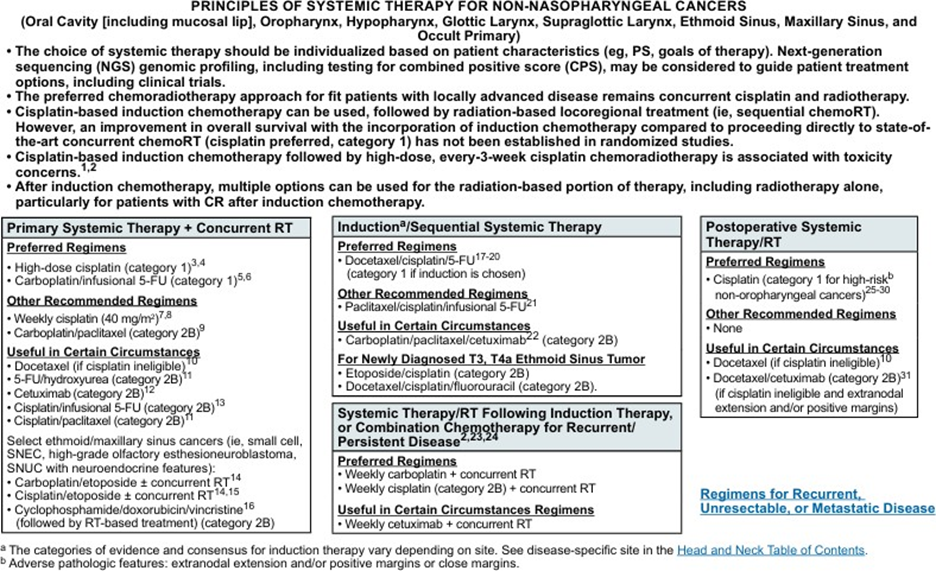
Fig. 2.5.3 Principles of Systematic Therapy for Non-Nasopharyngeal Cancer
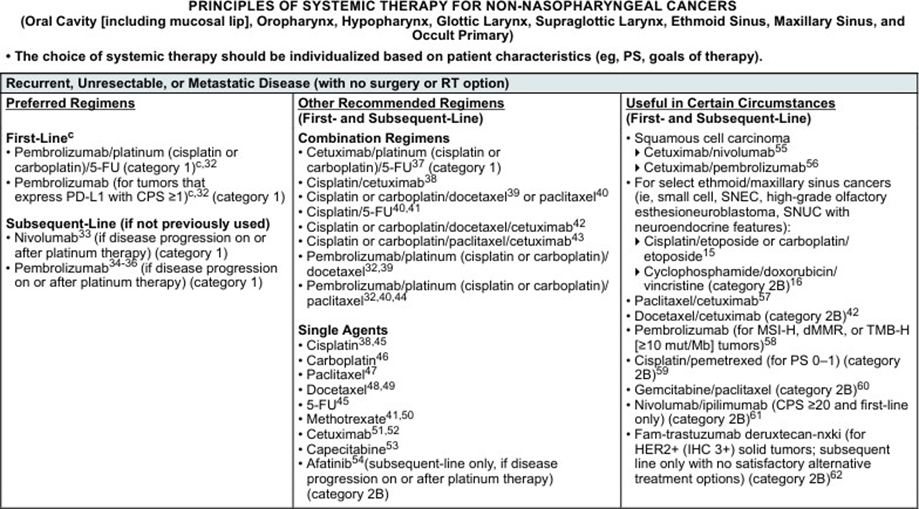
Fig. 2.5.4 Principles of Systematic Therapy for Non-Nasopharyngeal Cancers, Recurrent, Unresectable or Metastatic Disease
CONCLUSION
Compared with traditional chemotherapy that has been used to treat cancer in the field of ENT-KL, various new therapies and drugs have been developed. These latest drugs have shown good effectiveness in treating cancer patients, with fewer side effects and good therapeutic effects.
However, with the wide scope of cancer in the field of ENT-KL, there is no single therapy recommended to treat cancer. Combination therapy of various therapeutic modalities still plays an important role in treating cancer in the field of ENT-KL. Especially, part big patient come on condition stadium end. Still Further studies are needed, especially to assess the effectiveness and safety of Therapy Targeting and Immunotherapy. However, there are developments and this latest drug discovery provides hope for increased healing in cancer therapy.
LIST LIBRARY
Herman B, Farhat, Kentjono WA, Romdhoni AIR CONDITIONING, Permanent AD, Herdini C, et al. Oncology Module Surgery Head Neck (Internet). Edition III. Jakarta: Collegium ENT Health Sciences-BKL;2022 (cited 14 September 2024).
Amjad MT, Chidharla A, Kasi A. Cancer Chemotherapy (Internet). 2023 (cited 14 September 2024). https:// /ww w .ncbi.nlm.nih.gov/books/NBK564367/#:~:text=The%20goal%20of%20ch emotherapy%20is,the%20cell%20and%20its%20environment.
Page R, Takimoto C. Cancer management : a multidisciplinary approach : medical, surgical, & radiation oncology.Edition 11th. New York: Oncology Group; 2009 (quoted) September 15 2024). Available from https://archive.org/de tails/cancermanagement0000unse_y9h6
Colton B. Principle of Chemotherapy. (Internet). 2023 (cited 15 Septembr 2024). Available from : https://www.sth.nhs.uk/clientfiles/File/chemo%20for%20study%20day%20finshed_.p df .
Stebbing J, Bojardi F, Team TMLEP Clinical Risk. When Did This Tumour Start? The need for a Gompertzian Understanding of Tumor Growth Kinetics (Internet). 2023 (cited September 15 , 2024). Available from : https://www.tmlep.com/clinical- learning/2023-01-23-when-did-this-tumour-start-the-need-for-a-gompertzian- understanding-of-tumour-growth- kinetics#:~:text=Tumour%20growth%20proceeds%20in%20a,converging%20to%20a%20carrying%20capacity .
Pavlidis N. Principles of Chemotherapy in Cancer. (Internet) 2019 (quoted) 15/9/2024). Available from : https://oncologypro.esmo.org/content/download/233711/3944768/file/2019-ESMO- ESO-Course-Valencia-Chemotherapy-Nicholas-Pavlidis.pdf .
Anwar AD, Harsono AB, Sasotya RMS, God bless M N, Hidayat D. Bandung Controversies and Consensus in Obstetrics and Gynecology. Bandung: Corn Seto
;2013.
Anand u, Dey A, Chandel AKS, Sanyal R, Mishra A, Pandey DK, et al. Cancer chemotherapy and beyond: Current status, drug candidates, associated risks and progress in targeted therapies. J. Gendis. (Internet) 2022 (cited 21 September 2024); Volume 10 issue 4 : 1367-1401. Available from: Cancer chemotherapy and beyond d: Current status, drug candidates, associated risks and progress in targeting therapeutics - ScienceDirect
Chabner BA. General Principles of Cancer Chemotherapy, Goodman & Gilman's: The
Pharmacological Base of Therapeutics. Edition 14. New York: McGraw- Hill;2022.
Sung H, et al. Global cancer statistics 2020: GLOBOCAN estimates of incidence and mortality worldwide for 36 cancer in 185 countries.CA Cancer J. Clin. 2021;71:209–
249. him: 10.3322/caac.21660. [ PubMed ] [ CrossRef ] [ Google Scholar ]
Johnson DE, et a. Head and neck squamous cell carcinoma. Nat. Rev. Dis. Prim. 2020;6:92. doi: 10.1038/s41572-020-00224-3. [ PMC free article ] [ PubMed ] [ CrossRef ] [ Google Scholar ]
Van there Boss V, et a. Microenvironment driven intratumoral heterogeneity in head and neck cancers: clinical challenges and opportunities for precision medicine. Drug Resist. Update. 2022;60:100806. doi: 10.1016/j.drup.2022.100806. [ PubMed ] [ CrossRef ] [ Google Scholar ]
BroY, et al. Advancesin targetedtherapy mainlybased onsignal pathwaysfor nasoph aryngeal carcinoma. Signal Transduct. Target Ther. 2020;5:245. him: 10.1038/s41392- 020-00340-2. [ PMC free article ] [ PubMed ] [ CrossRef ] [ Google Scholar ]
Lazarus CL. Effects of chemoradiotherapy on voice and swallowing. Curr. Opinion. Otolaryngol. Head. Neck Surg. 2009;17:172–178. doi: 10.1097/MOO.0b013e32832af12f. [ PMC free article ] [ PubMed ] [ CrossRef ] [ Google Scholar ]
Leemans CR, Snow PJF, Brakenhoff RH. The molecular landscape of head and neck cancer. Nat. Rev. Cancer. 2018;18:269–282. him: 10.1038/nrc.2018.11. [ PubMed ] [ CrossRef ] [ Google Scholar ]
The American Cancer Society medica l and editorial content team . How Targeted Therapies Are Used to Treat Cancer (internet). 2020 ( cited 16 September 2024). Available from: https://www.cancer.org/cancer/managing-cancer/treatment- types/targeted-therapy/what-is.html .
Lee Q, Tie Y, Pestle A, Mom X, Shi H. Targeted therapy for head and neck Cancer: signaling pathways and clinical studies.PMC. 2023 Jan 16;8(1):31.Available from : Targeted therapy for head and neck cancer: signaling pathways and clinical studies - PubMed (nih.gv)
Hsu, HW et al. Combination antiangiogenic therapy and radiation in head and neck cancers. Oral. Oncol. 50 , 19–26 (2014).Available from: Combination antiangiogenic therapy and radiation in head and neck cancers - ScienceDirect
Shuel SL. Targeted cancer therapies. Can Fam Physician. 2022 Jul; 68(7): 515–518. Available from : Targeted cancer therapies - PMC (nih.gov)
Sahu M, Suryawanshuri H. Immunotherapy: The future of Cancer treatment | PMC.2021 Oral Maxillofac Pathol. May-Aug 2021;25 (2):313-321.Available from Immunotherapy: The future of cancer treatment - PMC (nih.gov) .
Sindhu, SK, Bauman JE. Current Concepts in Chemotherapy for Head and Neck Cancer.
: Oral Maxillofac Heaven Clin North Am. 2019 Feb; 31(1): 145–154. Available from
Sobur CS. History of Chemotherapy: Discovery and Development of Modern Chemotherapy. 2019 (cited 8 December 2024). Available from : History of Chemotherapy: Discovery and Development of Modern Chemotherapy – Hematology – Medical Oncology – Caiherang .
Chou MY, Wu MC,, Chu PY , Tai SH, Chang PMH, Lee TL, et al. Paclitaxel-Ifosfamide- based Therapy as Salvage Treatment in Platinum-resistant Recurrent/Metastatic Head and Neck Cancer. PMC. July 2024, 3; 38(4):1891–1899. Available from: https://doi.org/10.21873/invivo.13644 .
Kumar A, Chakracarty N, Bhatnagar S, Chowdhary GS. Efficacy and safety of concurrent chemoradiotherapy with or without Nimotuzumab in unresectable locally advanced squamous cell carcinoma of head and neck: Prospective comparative study - ESCORT-N study. PMC. 2019 April-June; 8(2):108–111. doi: 10.4103/sajc.sajc_38_18
Bou Assaly W, Mukherji S. Cetuximab ( Erbitux), 2010 ( 12 December 2024). Available from: https://pmc.ncbi.nlm.nih.gov/articles/PMC7964212/
Gonzalez NS, Ros J, Baraibar I, Salva F, Rodriguez-Castells M, Alcaraz A, et al. Cetuximab US a Key Partner in Personalized Targeted Therapy for Metastatic Colorectal Cancer.2024 (12 December 2024). Available from : Cetuximab as a Key Partner in Personalized Targeted Therapy for Metastatic Colorectal Cancer - PMC
Pfister DG, Spencer S, Adkins D, Birkeland AC, Brizel DM, Busse PM, et al, NCCN Clinical Practice Guidelines in Oncology ( NCCN Guidelines) Head and Neck Cancers. Issue 4.- May 1, 2024 (December 12, 2024). Available from : head-and-neck.pdf
Takeda M, Okamoto I, Nishimura Y, Nakagawa K. Nimotuzumab, a novel monoclonal antibody to the epidermal growth factor receptors, in the treatment of non-small cell lung cancer. PMC.(Internet) 2011 (12 December 2024). Available from: Nimotuzumab, a novel monoclonal antibodies to the epidermal growth factor receptors, in the treatment of non-small cell lung cancer - PMC
Comments